
• Home
  • Vision
  • EDI
    • BIO-PORTAL
  • News
    • Current team members
    • Former team members
    • Scientific Advisory Board
    • Oversight Committee
    • EDI-in-Action Committee
    • Open positions
    • PhD & MSc students
    • Internships
    • Post-doc and HQP
    • Tenure-track
  • Publications
  • Partners
  • Contact
Menu

genomic-medicine-cerc.online

740 Dr. Penfield Ave
Montreal
Phone Number
Vincent Mooser, CERC Program in Genomic Medicine at McGill University

Your Custom Text Here

genomic-medicine-cerc.online

  • Home
  • Vision
  • EDI
  • Projects
    • BIO-PORTAL
  • News
  • Team
    • Current team members
    • Former team members
  • Boards
    • Scientific Advisory Board
    • Oversight Committee
    • EDI-in-Action Committee
  • Recruitment
    • Open positions
    • PhD & MSc students
    • Internships
    • Post-doc and HQP
    • Tenure-track
  • Publications
  • Partners
  • Contact

News


2024 CERC/C150 Symposium

October 28, 2024 Claire Le Moigne
20241022_101926.jpg 20241022_103355.jpg

From October 21 to 23, 2024, Vincent Mooser and Claire Le Moigne attended the 2024 CERC/C150 Symposium hosted by the University of Sherbrooke. This is the 2nd edition of a symposium which was first organized by McGill in June 2021. This event was made possible through a collaboration between the Tri-agency Institutional Programs Secretariat (TIPS) and the UdeS. This conference was gathering CERC and C150 chairholders, CERC team members and employees involved in CERC/C150 application, management and reporting from many Universities in Canada.

Other colleagues from McGill committed with the CERC in Genomic Medicine were also attending the conference:

  • Kristina Öhrvall, Assistant Vice-President, Research Development: CERC Oversight Committee and CERC EDI-in-Action committee member

  • Magdalena Maslowska, Senior Advisor, Research Development (Biomedical and Health Sciences): CERC EDI-in-Action committee member.

Vincent Mooser chaired a Panel discussion on Preparing the Chairholder for the Canadian Research Environment with the following panelists:

  • Sara Hart, Canadian Excellence Research Chair in Developmental Science, University of Waterloo

  • Shinichi Nakagawa, Canada Excellence Research Chair in Open Science and Synthesis in Ecology and Evolution, University of Alberta

  • Sriram Subramaniam, Canada Excellence Research Chair in Precision Cancer Drug Design, University of British Columbia

Kristina Öhrvall also shared the knowledge and good practices from McGill University during the Panel discussion titled Life Post CERC-C150 - Transitioning out of a CERC or C150.

Raquel Cuella Martin awarded a Gairdner Early Career Investigator Award

October 10, 2024 Claire Le Moigne

The CERC team is pleased to announce that Raquel Cuella Martin, one of its Assistant Professor, was among the five investigators selected by the Gairdner Foundation for a prestigious Early Career Investigator Award ! Cuella Martin will present her research on precision genome engineering ("Understanding unique protein features with precision genome engineering") alongside the 2024 Gairdner Awardees during the Laureate Lecture at the Gairdner Science Week 2024 events in Toronto from October 23 to 25. Learn more.

The CERC team welcomes a new Assistant Professor : Satoshi Yoshiji

August 9, 2024 Claire Le Moigne

The CERC team has the pleasure to welcome a new Assistant Professor in the team, Satoshi Yoshiji.

Satoshi Yoshiji (pronounced “yo-she-gee”) is an Assistant Professor with expertise in endocrinology, genetic epidemiology, and biostatistics. His research goal is to leverage genomics, proteomics, and other omics to identify therapeutic targets and advance precision medicine for diabetes, obesity, cardiovascular diseases, and beyond. After earning board certifications in Endocrinology and Internal Medicine in Japan, he obtained his PhD in Human Genetics at McGill University (Joint PhD with Kyoto University). He worked as a Research Fellow at the Broad Institute of MIT and Harvard before returning to McGill as a Principal Investigator. He serves as a co-PI for BioPortal, a new multi-ancestry, multi-omics biobank of 12,500 individuals in Montreal. He is recruiting ambitious, forward-looking students and staff.

If you want to know more about Satoshi Yoshiji, please consult his personal website here !

Human Genetics Research Day 2024

June 7, 2024 Claire Le Moigne

Yuxin Zhou (Bourque Lab), Arsham Mikaeili Namini (Najafabadi Lab), Peyton McClelland (Taliun & Bhérer Labs) and Prof David Langlais.

The CERC team wants to congrats Peyton McClelland for winning the 3-min presentation of the Human Genetics Research Day, organized by the Department of Human Genetics of McGill on May 30, 2024.

Over 150 students and faculty participated to this event, showing the dynamism of Genetics at McGill. Dr. Stephen Scherer for joined the participants as the keynote speaker under the Scriver Family Visiting Professorship in Genetic Medicine, with his talk entitled: “Every biological study will be enlightened by an accompanying genome sequence”.

Peyton presented a 3-min talk titled Investigating HLA in a Quebec population-based biobank about her work in the CERC team on analyzing and imputing HLA in the CARTaGENE biobank to enable cataloguing HLA variation and disease association in the Quebec population.

You will find the whole abstract of the presentation below:

Calling HLA allele variation in the Quebec population-based CARTaGENE cohort using whole-genome sequencing data.

Peyton McClelland, Ken Sin Lo, Guillaume Lettre, Claude Bhérer, Daniel Taliun

The human leukocyte antigen (HLA) system contains genes involved in many immunological processes, and HLA variation is associated with many disease-related phenotypes, including type I diabetes, multiple sclerosis, and rheumatoid arthritis. HLA allele frequencies differ significantly across populations, making population-specific HLA characterisation necessary to understand the HLA variation within a given population. We built a catalogue of high-resolution HLA alleles in the province of Quebec, using high-depth whole-genome sequencing (WGS) data from 2,180 participants from CARTaGENE, a population-based cohort with recruitment centers in six regions of Quebec that has collected high-quality biosamples and extensive health information. We performed HLA typing of class I and II classical alleles using the HLA*LA method. After quality checks, 44,634 alleles were retrieved from 2,088 participants. 307 individual HLA alleles were observed at least once in the CARTaGENE WGS dataset. Of these, 262 HLA alleles were also present in the most extensive publicly available multi-ancestry high-resolution HLA reference panel, HLA-TAPAS (n=21,546). 49 of 262 HLA alleles were at significantly different frequencies in the CARTaGENE cohort (p < 2.15 x 10⁻⁴). Frequencies of 51 low-resolution (one-field) HLA allele types were also previously reported in the Hema-Quebec donor biobank in 17 administrative regions of Quebec. We compared regional allele frequencies in CARTaGENE to the Hema-Quebec cohort. In the CARTaGENE WGS dataset, frequencies of 38 shared HLA alleles correlated well with province-wide frequencies in Hema-Quebec (Pearson’s r = 0.9841); 2 alleles were at significantly different frequencies in CARTaGENE (p < 1.32x 10⁻³). For individual CARTaGENE sampling regions, HLA allele frequencies were well correlated with corresponding Hema-Quebec regions, with Pearson’s r ranging from 0.88-0.93. These preliminary findings suggest that sequencing-based HLA calling in the Quebec population may yield population-specific differences in HLA variation and disease associations, for which specialized methods for population-specific imputation and analysis will be developed.

Fellowships award successes

May 15, 2024 Claire Le Moigne
frq_logo_couleur.png
leaf-cihr-colour-en.jpg

It is with great pride that we congratulate the CERC members who have recently been awarded scholarships.

First of all, Claude Bhérer and Raquel Cuella Martin have both been awarded the Research Scholars - Junior 1 bursary funded by the Fonds de Recherche du Québec en Santé (FRQS). This scholarship will finance part of their salary for 4 years, as well as some research expenses.

The FRQS also awarded scholarships to 3 students: Alyssa Green, who received a Master's Training Scholarship for 2 years, as well as Susannah Selber-Hnatiw and Amisha Minju, who received a Doctoral Training Scholarship for 4 years.

Finally, 2 other students were also successful in winning Canadian Institutes of Health Research scholarships: Irene Pender was awarded the Canada Graduate Scholarships-Master's (CGS-M) while Juliano Malizia won the CIHR Strategic Master's Award - Computational Biology and Health Data Sciences, both for one year.

Congratulations to all our successful applicants!

Chen-Yang Su wins the Best poster presentation at the HBHL Symposium on May 8-9, 2024

May 10, 2024 Claire Le Moigne
2024-11-15 00_21_43-20240509_HBHL_symposium.webp.jpg IMG_20240509_160507.jpg

Congratulations to Chen-Yang Su, PhD student of the McGill CERC in Genomic Medicine for winning the Best poster presentation at the Healthy Brains Healthy Lives (HBHL) Symposium on May 8-9, 2024 !

You will find the abstract of his presentation below:

Authors
Chen-Yang Su, Sirui Zhou

Proteomics and metabolomics integration uncovers molecular signatures associated with neuroprotective signatures in post-acute SARS-CoV-2 infection

Introduction: Post-acute sequelae SARS-CoV-2 (PASC) is an emerging public health concern with heterogeneous manifestations. Among PASC symptoms, long-term neurological manifestations are particularly debilitating. Their molecular underpinning remains poorly understood. Here, we combined proteomics and metabolomics to address this issue.

Methods: Proteomic and metabolomic data were generated for 1,234 individuals from the Biobanque Québécoise de la COVID-19 (BQC19), which followed COVID-19 patients over two years. After quality control, 4,984 proteins and 943 metabolites were retained for analysis. Using 689 clinical entries from the BQC19, we defined broad neurological PASC (BNP) as any neurological manifestations, whereas refined neurological PASC (RNP) was defined as neurological complications that either recently appeared or deteriorated due to COVID-19. We then fitted single biomarker logistic regression models while adjusting for age at diagnosis and sex to determine the association of each protein or metabolite with BNP or RNP.

Results: A total of 381 and 65 cases with both proteomics and metabolomics data met our definition of BNP and RNP and were compared with 535 and 713 controls, respectively. A total of 1,416 and 734 proteins were found significantly associated with BNP and RNP, respectively, with 544 overlapping proteins. In addition, 158 and 130 metabolites were found significantly associated with BNP and RNP, respectively, with 53 overlapping metabolites. In particular, we identified phosphatidylethanolamine-binding protein 1 (PEBP1) as being protective against BNP (OR (95% CI) = 0.76 (0.66-0.87), FDR p = 0.002) and RNP (OR (95% CI) = 0.61 (0.46-0.81), FDR p = 0.014). Interestingly enough, previous studies suggested downregulation of PEBP1 may lead to Alzheimer’s disease. Moreover, PEBP1 functions as an enzyme for 1-palmitoyl-2-docosahexaenoyl-GPE, a phosphatidylethanolamine (PE) whose impairment may lead to neurodegenerative disorders, which is concordant with our finding that increased circulating PE is associated with decreased neurological PASC risk (BNP: OR (95% CI) = 0.78 (0.68-0.90), FDR p = 0.01; RNP: OR (95% CI) = 0.56 (0.41-0.75), FDR p = 0.006).

Conclusion: Here, we used an integrative bi-omics approach combining proteomics and metabolomics to provide new insight into the pathophysiological mechanisms underlying neurological PASC risk which, possibly, could point to new ways to treat this condition.

A focus on the work of Claude Bhérer on the founder effect in the McGill Reporter

April 30, 2024 Claire Le Moigne

On April 17, 2024, the McGill Reporter has decided to put Claude Bhérer's research in the spotlight ! Claude Bhérer and her team are studying the genomes of founder populations and their genetic diseases, including the Leigh Syndrome French Canadian type.

Claude Bhérer explains why she decided to study genetics, and the founder effect in particular. The interview presents the challenges of Claude's research and the benefits of genetic studies in finding new therapies for rare diseases such as Leigh Syndrome French Canadian type.

You will find the full interview here.

A CERC student won the McGill 3MT people choice !

April 10, 2024 Claire Le Moigne
IMG_7607.jpg
IMG_7609.jpg
IMG_7612.jpg
3MT Shamika Shenoy.jpg
IMG_7607.jpg IMG_7609.jpg IMG_7612.jpg 3MT Shamika Shenoy.jpg

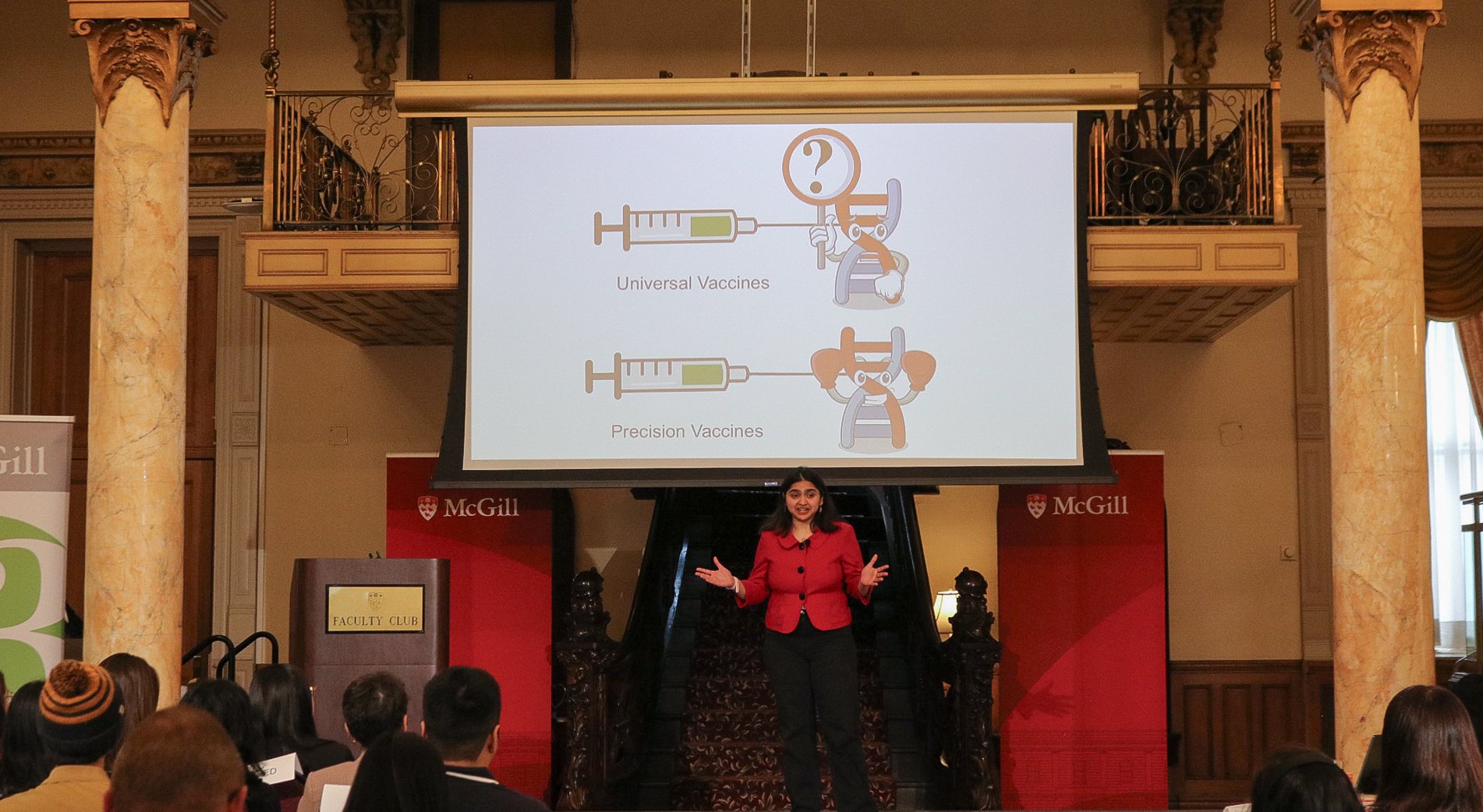
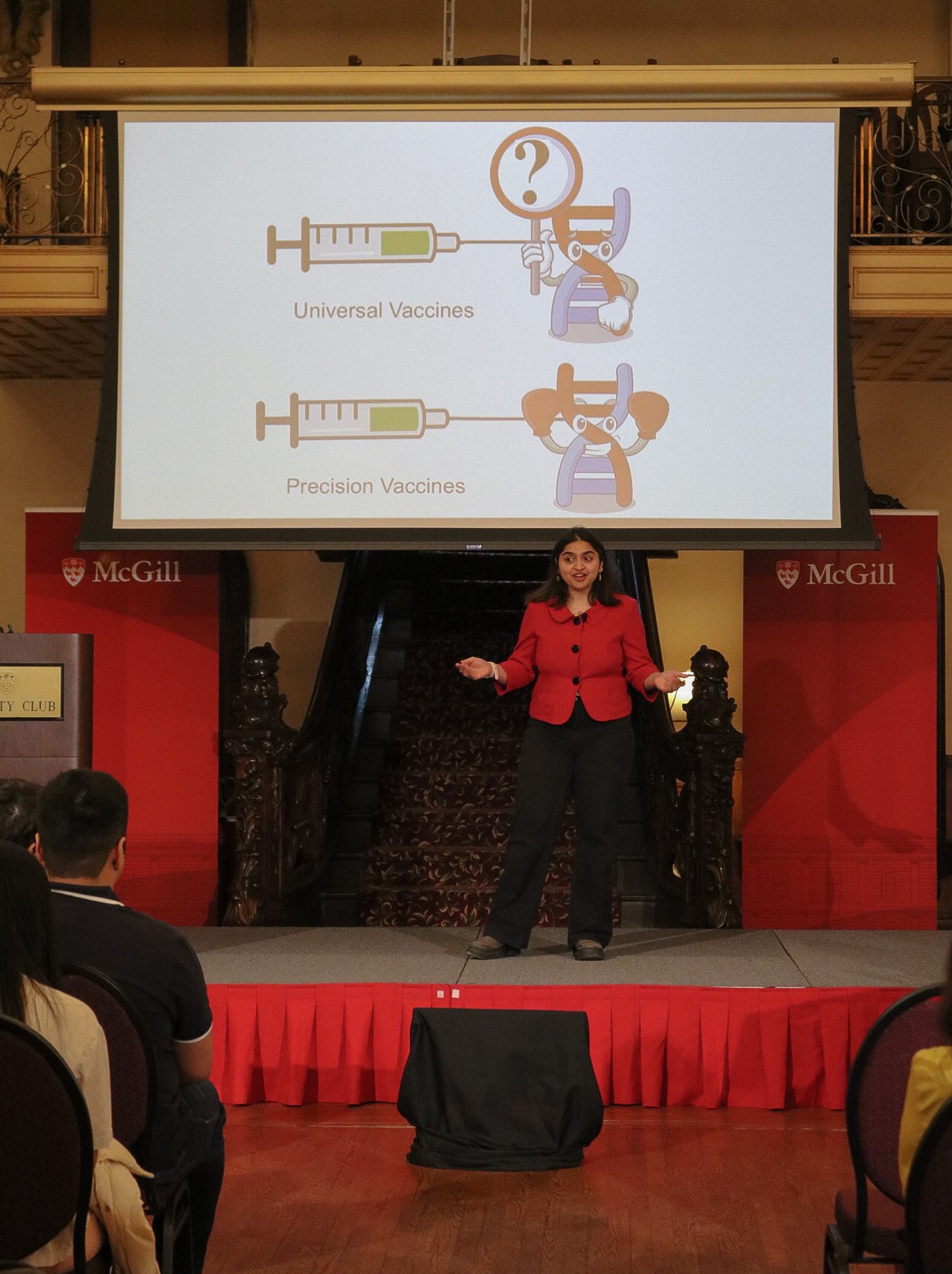
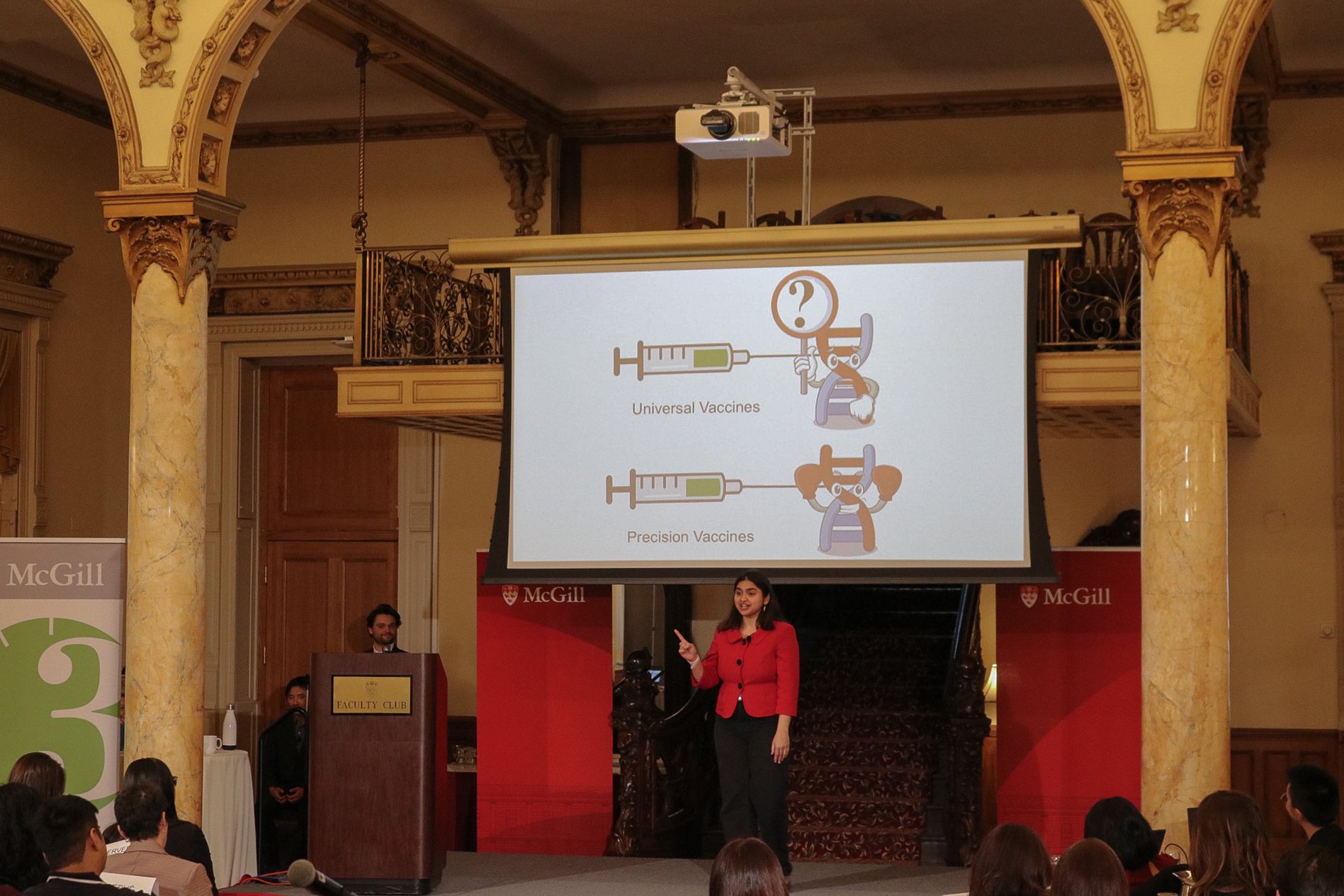
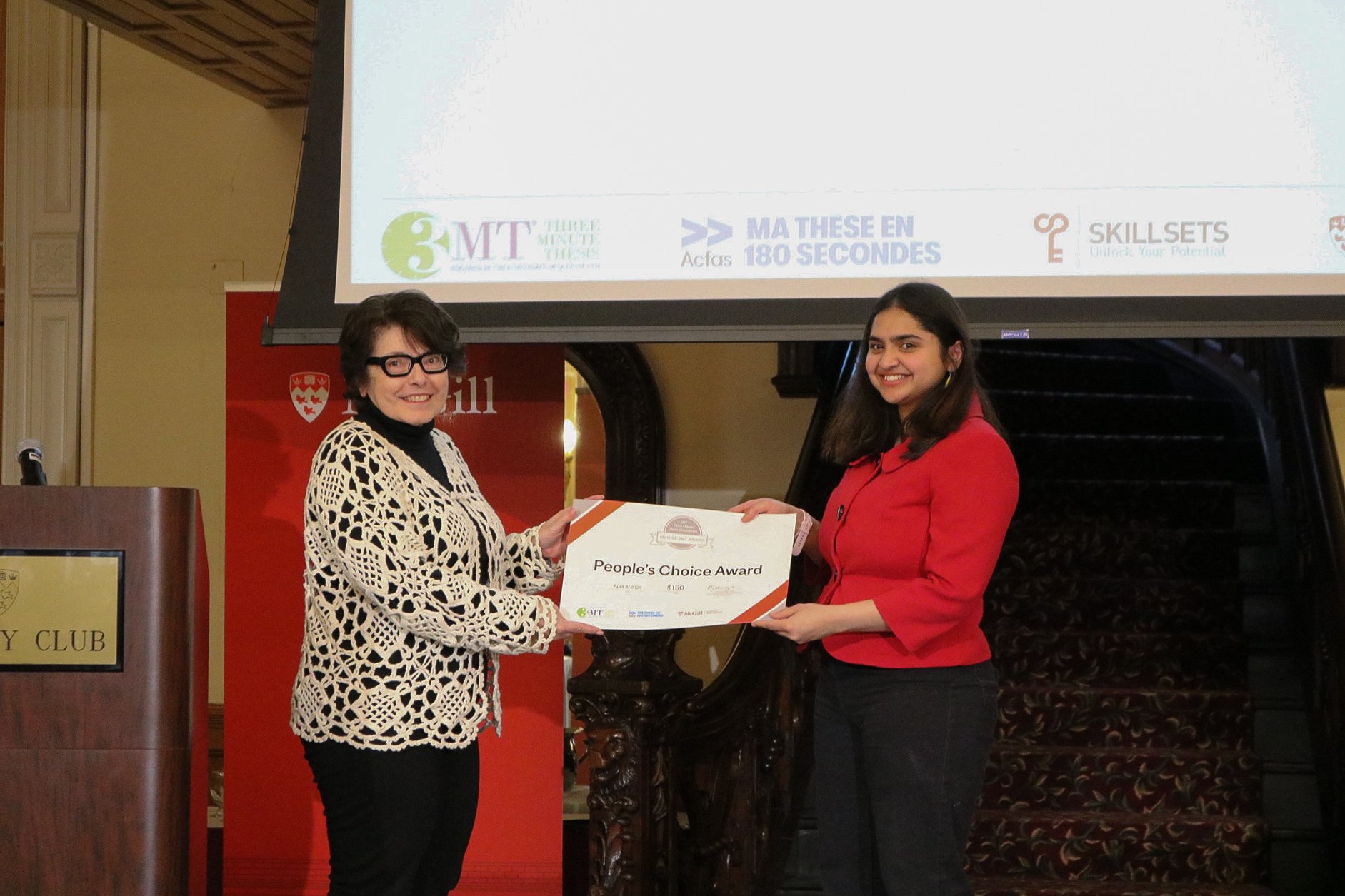
The CERC team is very proud to announce a CERC student, Shamika Shenoy, won the People’s Choice at the McGill 3MT (3 Minute Thesis) Final Competition on April 3rd, 2024. Shamika is a first-year Ph.D. student in Human Genetics who joined the Cuella Martin Lab and the CERC team in September 2023.

With a mind brimming with questions about the human body’s intricate workings, she embarked on a quest to decode the secrets of our genetic code and its impact on human health. At Cuella Martin Lab, Shamika delves to understand genes involved in the DNA damage response pathways, particularly in cell cycle regulation, breast cancer development and our immune system’s adaptability.

If you want to know more, you will find below an abstract of Shamika’s thesis and the full event replay on Youtube.

Defining common and context-specific protein sequences in the repair of double-strand breaks via non-homologous end-joining.

Safeguarding genomic integrity is paramount for maintaining cellular homeostasis. To achieve this, cells have evolved a complex network of tightly interconnected pathways collectively known as the DNA damage response (DDR). The DDR is a guardian for detecting and repairing a wide array of DNA lesions, including the double-strand breaks (DSBs). Upon sensing a DSB, a cascade of signalling events is initiated to mark the lesion site and recruit the necessary repair machinery. Notably, non-homologous end joining (NHEJ) machinery predominantly repairs DSBs in non-dividing cells and those in the G1 phase of the cell cycle.

Additionally, NHEJ plays a crucial role in the programmed assembly of V(D)J gene segments in B- and T-cells and immunoglobulin class switch recombination in B-cells. The diverse nature of DSBs from blunt to staggered ends and in different contexts makes it crucial to identify these multifunctional NHEJ protein sequences involved in the repair. While extensive structure-function analyses of these genes have been conducted, only a limited number of separation-of-function (SOF) mutations have been identified to date. This knowledge gap is particularly prominent in newly discovered NHEJ factors and in proteins with expansive multidomain architectures. In this study, we propose a novel approach that harnesses the power of in situ deep mutagenesis, using CRISPR-dependent base editors, to unravel the structure-function relationships of NHEJ proteins. By systematically probing these proteins, we aim to define the common and context-specific protein features that govern DSB repair. Our findings promise to shed new light on the intricacies of the DDR, providing insights that could have far-reaching implications for therapeutic interventions aimed at preserving genomic integrity and combating diseases associated with DNA damage.

Photo credits: Genevieve Quinn.

Development of a new cost-effective genome sequencing method at McGill

February 8, 2024 Claire Le Moigne

WEGS experimental design overview.

The McGill CERC in Genomic Medicine is proud to announce the publication of an article in the NPJ Genomic Medicine, entitled “A cost-effective sequencing method for genetic studies combining high-depth whole exome and low-depth whole genome”. This work is a collaboration between the CERC and the the McGill Genome Centre Sequencing and C3G platforms, lead by Claude Bhérer (first author) and Daniel Taliun (last author), both Assistant Professors in the CERC team. They have developed a new sequencing method called WEGS (Whole Exome Genome Sequencing), cheaper than standard Whole genome sequencing. Please find the abstract below:


Whole genome sequencing (WGS) at high-depth (30X) allows the accurate discovery of variants in the coding and non-coding DNA regions and helps elucidate the genetic underpinnings of human health and diseases. Yet, due to the prohibitive cost of high-depth WGS, most large-scale genetic association studies use genotyping arrays or high-depth whole exome sequencing (WES). Here we propose a cost-effective method which we call “Whole Exome Genome Sequencing” (WEGS), that combines low-depth WGS and high-depth WES with up to 8 samples pooled and sequenced simultaneously (multiplexed). We experimentally assess the performance of WEGS with four different depth of coverage and sample multiplexing configurations. We show that the optimal WEGS configurations are 1.7–2.0 times cheaper than standard WES (no-plexing), 1.8–2.1 times cheaper than high-depth WGS, reach similar recall and precision rates in detecting coding variants as WES, and capture more population-specific variants in the rest of the genome that are difficult to recover when using genotype imputation methods. We apply WEGS to 862 patients with peripheral artery disease and show that it directly assesses more known disease-associated variants than a typical genotyping array and thousands of non-imputable variants per disease-associated locus.

Chen-Yang Su wins the Trainee Poster Excellence Award at the 1st Canadian Symposium on Long COVID on Sep 20-21, 2023

October 1, 2023 Claire Le Moigne

Congratulations to Chen-Yang Su, PhD student of the McGill CERC in Genomic Medicine for winning the Trainee Poster Excellence Award at the 1st Canadian Symposium on Long COVID on Sep 20-21, 2023 !

You will find the abstract of his poster below:

Combining proteomics and metabolomics to identify signatures protective of neurological consequences of post-acute SARS-CoV-2 infection.

Chen-Yang Su1,3*, Sirui Zhou2,3*

Introduction: Post-acute sequelae SARS-CoV-2 (PASC) has heterogeneous manifestations including debilitating long-term neurological symptoms.

Methods: We measured 4,984 proteins and 943 metabolites in 1,234 individuals from the Biobanque Québécoise de la COVID-19 (BQC19). Using 689 clinical entries, we defined Broad Neurological PASC (BNP) as any neurological manifestations and Refined Neurological PASC (RNP) as neurological complications that recently appeared or deteriorated due to COVID-19. We fitted single-biomarker logistic regression models adjusting for age and sex to determine the association of each biomarker with PASC outcomes.

Results: We compared 381 BNP and 65 RNP cases with both proteomics and metabolomics data with 535 and 713 controls, respectively. We found 1,416 and 734 proteins significantly associated with BNP and RNP, respectively, with 544 overlapping proteins. For metabolites, 158 and 130 were significantly associated with BNP and RNP, respectively, with 53 overlapping. We identified phosphatidylethanolamine-binding protein 1 (PEBP1) as being protective against BNP (OR: 0.76 (0.66-0.87), FDR p: 0.002) and RNP (OR: 0.61 (0.46-0.81), FDR p: 0.014). Interestingly, previous studies suggested downregulation of PEBP1 may lead to Alzheimer’s disease. Moreover, PEBP1 is an enzyme for 1-palmitoyl-2-docosahexaenoyl-GPE, a phosphatidylethanolamine (PE) whose impairment leads to neurodegenerative disorders, which is concordant with our finding that increased circulating PE is associated with decreased neurological PASC risk (BNP OR: 0.78 (0.68-0.90), FDR p: 0.01; RNP OR: 0.56 (0.41-0.75), FDR p: 0.006).

Conclusion: We used an integrative bi-omics approach to provide new insight into the pathophysiological mechanisms underlying neurological PASC risk which may point to new ways to treat this condition.

← Newer Posts Older Posts →