
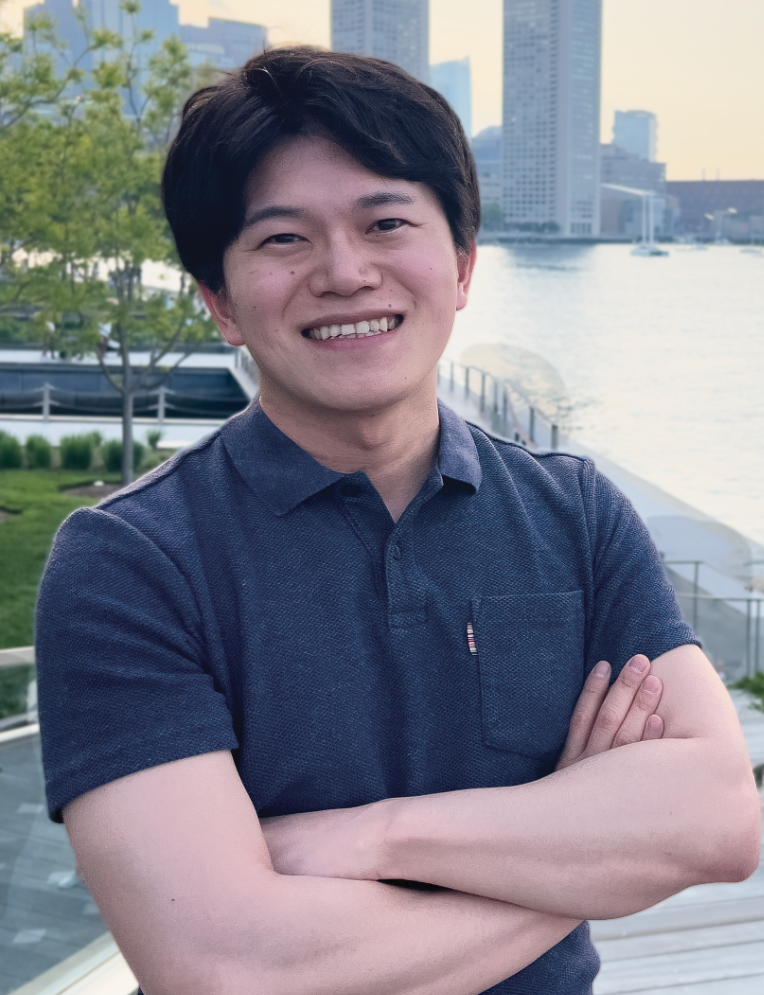
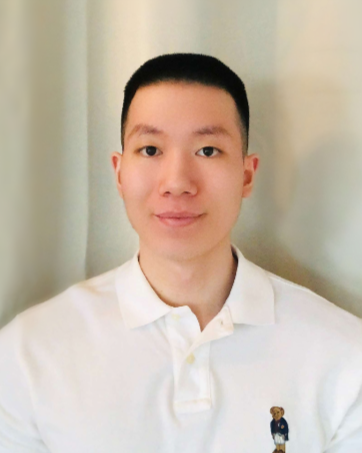
We’re delighted to spotlight a new publication in Nature Metabolism featuring contributions from our CERC community: Unravelling the molecular mechanisms causal to type 2 diabetes across global populations and disease‑relevant tissues. Congratulations to all collaborators—and in particular to CERC’s Satoshi Yoshiji and Chen‑Yang Su—for their role in this ambitious, international effort to decode the molecular mechanisms that drive type 2 diabetes (T2D).
What the study shows
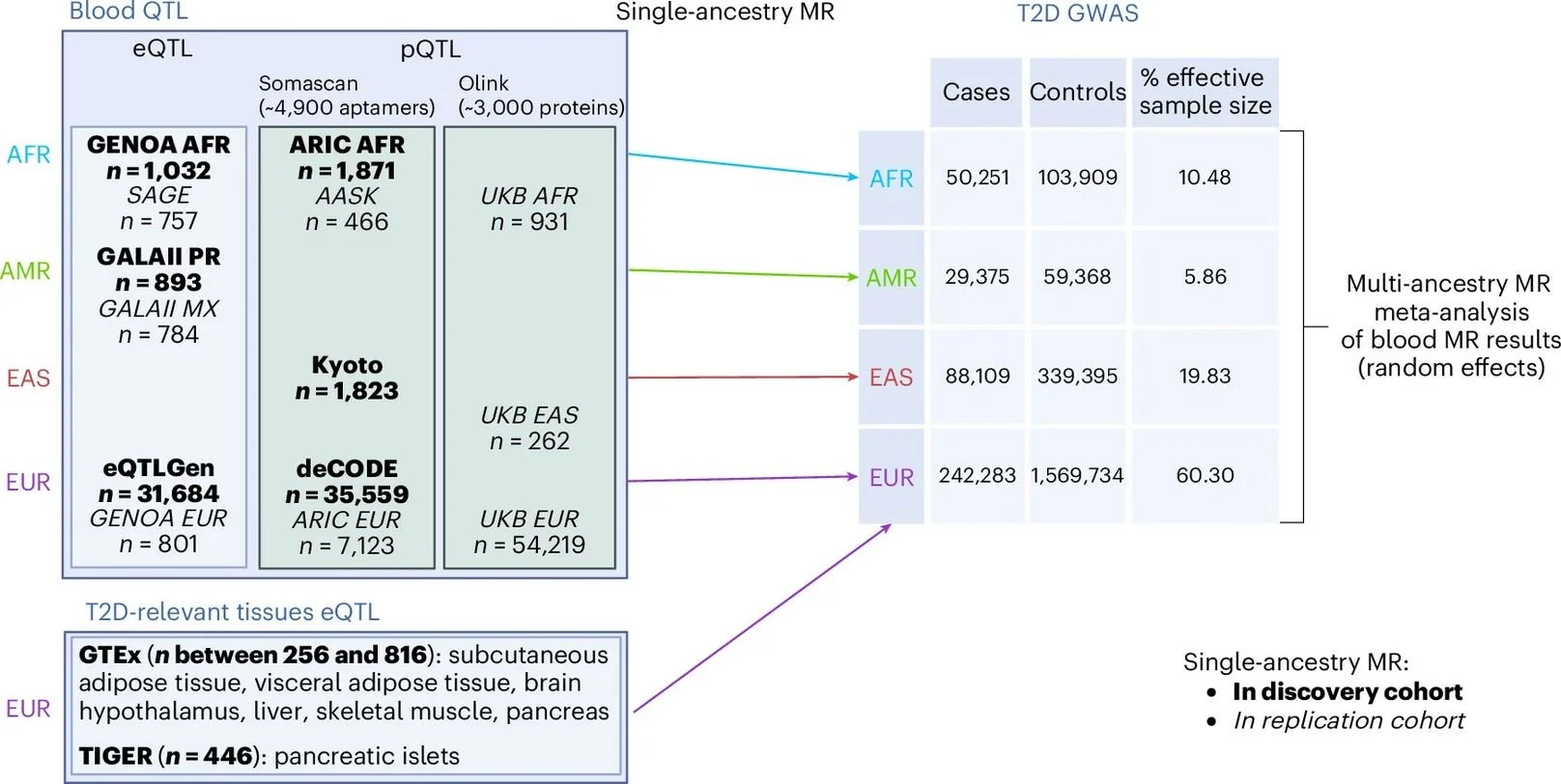
This work integrates large-scale genetics with multi‑omics across four global ancestry groups and seven T2D‑relevant tissues to pinpoint genes and proteins with causal effects on T2D risk. Using two‑sample Mendelian randomization and rigorous colocalization, the authors report causal links for 335 genes and 46 proteins based on blood molecular QTLs, and—crucially—identify 676 genes when expanding to tissues such as pancreatic islets, adipose (subcutaneous and visceral), liver, skeletal muscle, and hypothalamus.
By leveraging summary statistics from the Type 2 Diabetes Global Genomics Initiative—>2.5 million individuals, including >700,000 of non‑European ancestry—the team demonstrates that many causal signals are shared across ancestries yet highly heterogeneous across tissues. Analyses restricted to blood alone would have missed the majority of tissue‑specific signals, underscoring why disease‑relevant tissues matter for mechanism discovery and translational targeting.
Why it matters
Tissue context is critical. Only a small fraction of genes with causal effects in key T2D tissues show corresponding signals in blood, a finding that reframes how we prioritize therapeutic targets and biomarkers for metabolic disease.
Global representation strengthens discovery. Cross‑ancestry analyses both replicate shared mechanisms and reveal additional candidates observable only when genetic diversity is included—moving the field toward more equitable precision medicine.
CERC contributors
This publication includes contributions from Satoshi Yoshiji (Assistant Professor, Human Genetics; CERC in Genomic Medicine) and Chen‑Yang Su (former CERC doctoral student now postdoctoral researcher within the team). Their ongoing work in multi‑omics and genetic epidemiology continues to advance our program’s mission to translate human genetics into precision medicine for complex diseases.
Please join us in congratulating Satoshi, Chen‑Yang, and all collaborators on this milestone achievement!