




We are pleased to highlight an important new contribution from our CERC community: the publication of “Cardiovascular risk reduction with glucagon‑like peptide‑1 receptor agonists is proportional to HbA1c lowering in type 2 diabetes: An updated meta‑regression analysis incorporating FLOW and SOUL trials” in Diabetes, Obesity and Metabolism. This work features key contributions from Masashi Hasebe, Satoshi Yoshiji, and Chen‑Yang Su.
About the Study
This updated meta‑regression analysis provides an in‑depth evaluation of how glucagon‑like peptide‑1 receptor agonists (GLP‑1RAs) reduce cardiovascular risk in individuals living with type 2 diabetes. Incorporating data from ten large randomized, placebo‑controlled trials—including the FLOW and SOUL trials—the study aggregates outcomes from 73,263 participants to assess how improvements in glycemic control relate to major cardiovascular benefits.
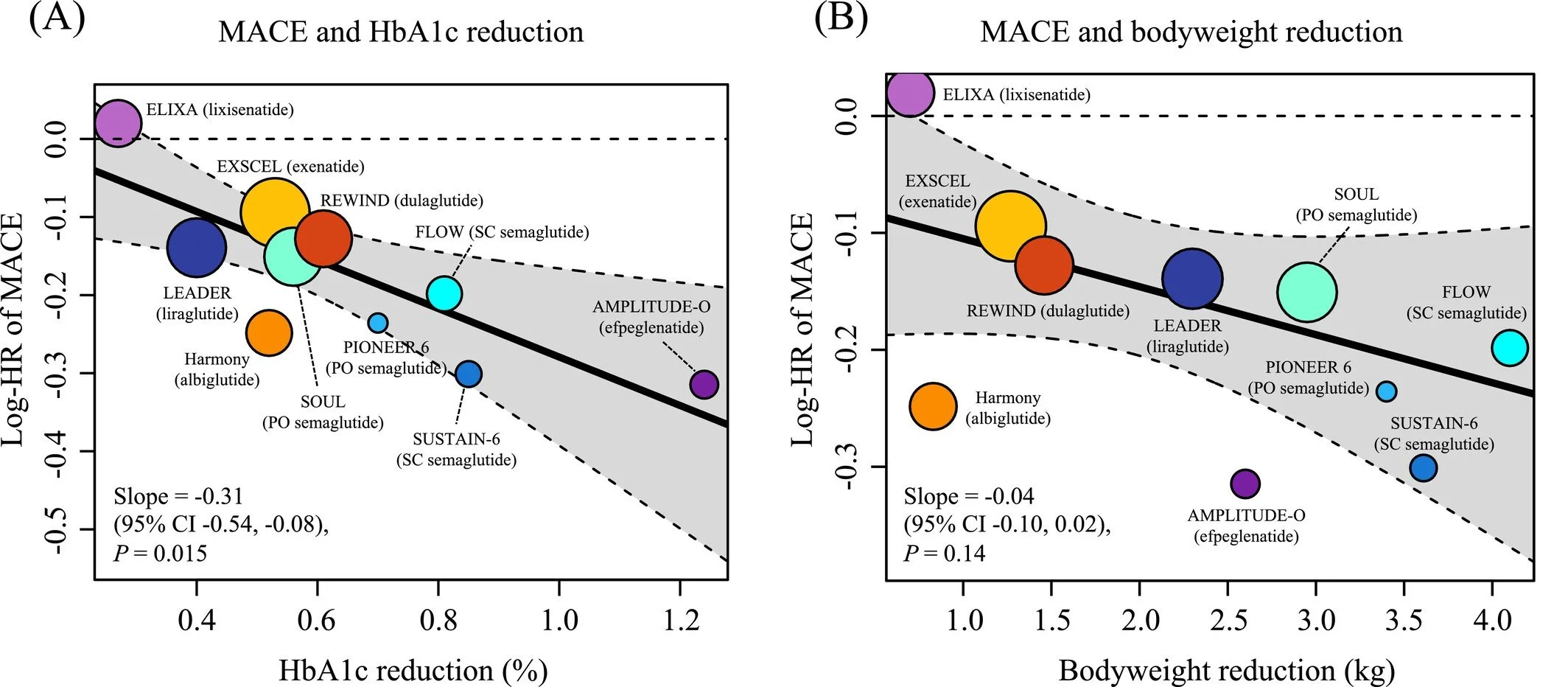
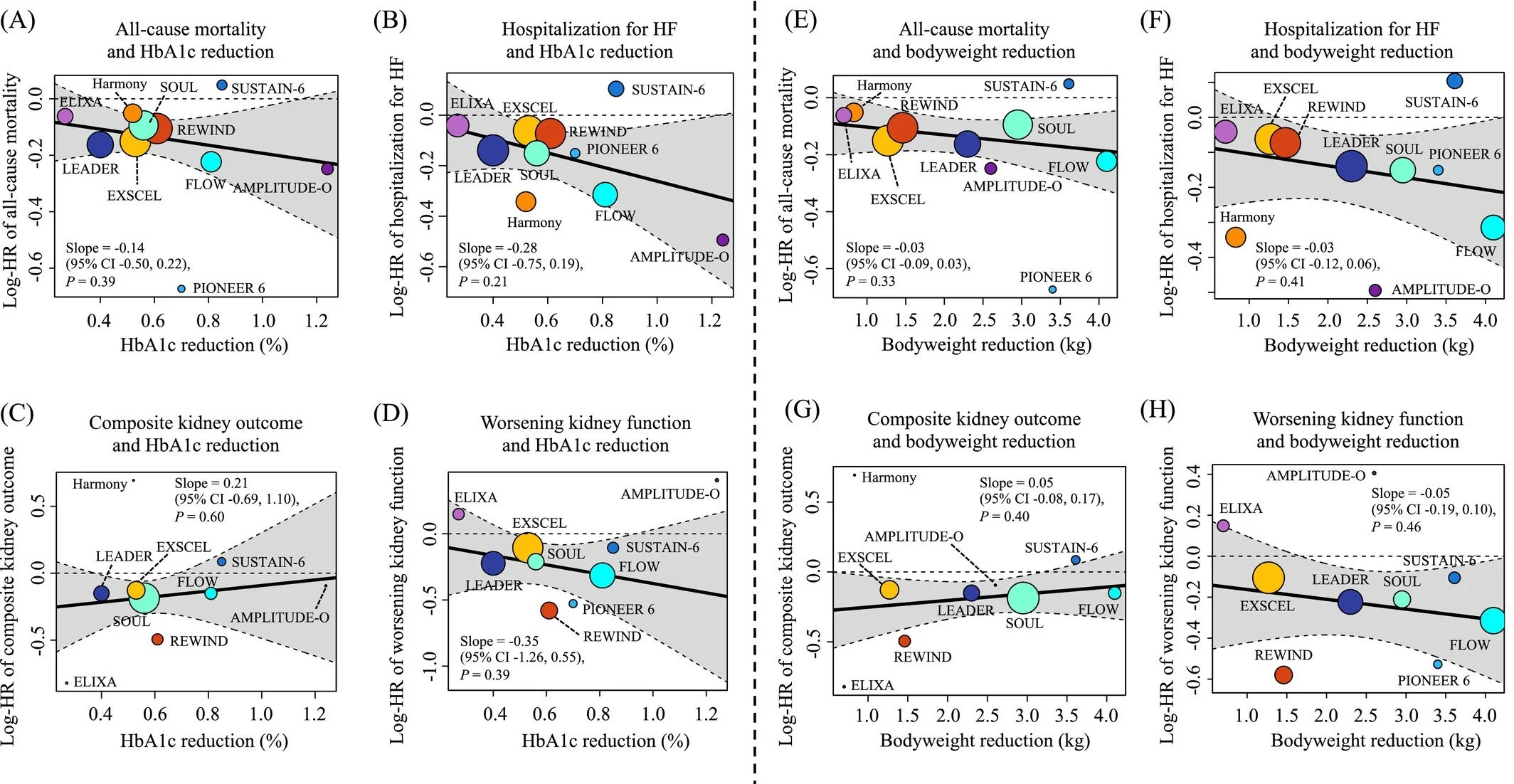
The authors report that GLP‑1RAs reduce major adverse cardiovascular events (MACE) by 14%, alongside significant reductions in hospitalization for heart failure and composite kidney outcomes. Notably, the analysis reveals that each 1% additional reduction in HbA1c corresponds to a 27% lower hazard ratio for MACE, underscoring the central role of glycemic improvement in cardiovascular protection.
Key Findings
GLP‑1RAs consistently reduce cardiovascular risk, demonstrating benefits beyond glucose lowering alone.
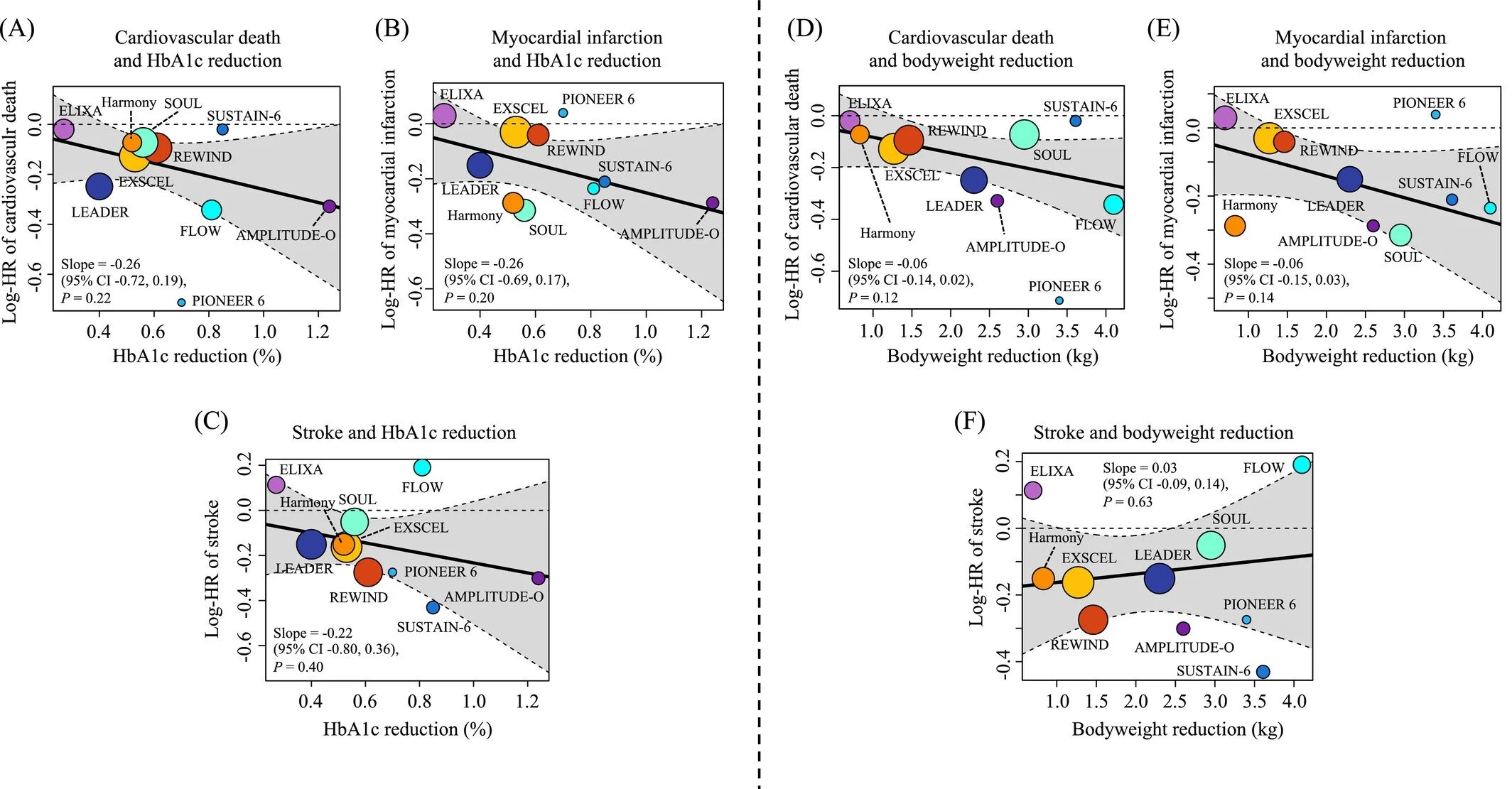
HbA1c reduction is strongly associated with improved cardiovascular outcomes, while weight reduction does not show an independent association in this analysis.
The inclusion of recent FLOW and SOUL trial data strengthens the robustness of the meta‑regression, providing updated evidence relevant to modern clinical practice.
CERC Contributions
We are proud to recognize the involvement of three CERC members in this publication:
Masashi Hasebe, co‑author and contributor to data synthesis and interpretation.
Satoshi Yoshiji, corresponding author, bringing expertise in endocrinology, genomics, and cardiometabolic disease within the CERC program.
Chen‑Yang Su, contributor to statistical analyses and quantitative methods through the Quantitative Life Sciences program.
Their collaboration reflects CERC’s commitment to advancing precision medicine and improving clinical outcomes for metabolic diseases.